Master Nail Technology: Training Tips for Beginners

Nail technology is more than just a beauty trend; it’s an art form that requires skill, creativity, and a solid foundation of knowledge. For beginners stepping into this vibrant world, mastering the basics is crucial. Whether you aspire to work in a salon or want to enhance your personal nail care routine, understanding the fundamentals will set you on the path to success. This guide provides essential training tips for beginners in nail technology, ensuring you develop the skills needed to excel.

Understanding Nail Anatomy
Before diving into techniques, it’s important to understand the anatomy of nails. Each part plays a role in nail health and aesthetics:
Nail Plate: The visible part of the nail, made of keratin.
Nail Bed: The skin beneath the nail plate, which supports the nail.
Cuticle: The layer of skin at the base of the nail that protects the nail matrix.
Nail Matrix: The tissue under the base of the nail that produces new cells.
Familiarizing yourself with these components will help you understand how to care for nails and apply products effectively.
Essential Tools for Nail Technology
Having the right tools is essential for any nail technician. Here’s a list of must-have items:
Nail Clippers: For trimming nails to the desired length.
Nail Files: To shape and smooth the edges of the nails.
Cuticle Pushers: For gently pushing back the cuticles.
Buffers: To create a smooth surface on the nail.
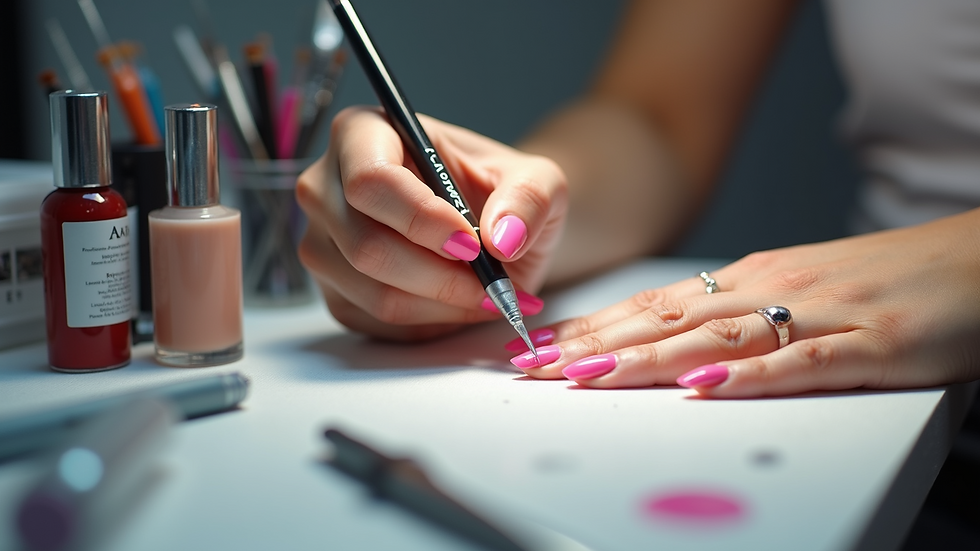
Brushes: For applying polish and nail art.
Investing in high-quality tools will make a significant difference in your work. Remember to keep them clean and sanitized to ensure client safety.
Nail Care Basics
Understanding nail care is fundamental for any aspiring nail technician. Here are some basic tips:
Keep Nails Clean: Regularly wash hands and nails to prevent infections.
Moisturize: Use cuticle oil and hand cream to keep nails and skin hydrated.
Avoid Biting: Encourage clients to avoid nail-biting, which can damage the nail bed.
By promoting good nail care practices, you’ll build trust with your clients and enhance their overall experience.
Learning Nail Techniques
As a beginner, mastering basic nail techniques is crucial. Here are some essential skills to focus on:
Nail Filing and Shaping
The shape of the nail can dramatically affect its appearance. Common shapes include:
Square: Straight edges with a flat tip.
Round: Soft, curved edges.
Almond: Tapered sides with a rounded tip.
Practice filing nails to achieve these shapes consistently. Use a gentle hand to avoid damaging the nail.
Applying Nail Polish
Applying nail polish may seem simple, but it requires precision. Follow these steps for a flawless application:
Prep the Nail: Clean and buff the nail surface.
Base Coat: Apply a thin layer of base coat to protect the nail.
Color Coat: Apply two thin layers of color polish, allowing each layer to dry.
Top Coat: Finish with a top coat to add shine and durability.
Practice makes perfect. Experiment with different colors and techniques to find your style.
Nail Art Techniques
Once you’ve mastered the basics, you can explore nail art. Here are a few beginner-friendly techniques:
Dotting: Use a dotting tool to create patterns.
Striping: Apply thin lines with a striping brush.
Stickers and Decals: Use pre-made designs for quick and easy nail art.
Nail art allows for creativity and personalization, making it a fun aspect of nail technology.
Hygiene and Safety Practices
Maintaining hygiene and safety is paramount in nail technology. Here are key practices to follow:
Sanitize Tools: Always disinfect tools before and after use.
Wear Gloves: Protect yourself and clients by wearing disposable gloves.
Client Consultation: Discuss any allergies or sensitivities before starting a service.
By prioritizing hygiene, you’ll create a safe environment for your clients and build a positive reputation.
Building Client Relationships
As a nail technician, building strong relationships with clients is essential. Here are some tips to foster trust and loyalty:
Listen: Pay attention to client preferences and concerns.
Communicate: Keep clients informed about the process and products used.
Follow Up: Check in with clients after their appointment to ensure satisfaction.
Strong relationships lead to repeat business and referrals, which are vital for your success.
Continuing Education
The beauty industry is constantly evolving, and staying updated is crucial. Consider the following for ongoing education:
Workshops: Attend hands-on workshops to learn new techniques.
Online Courses: Explore online platforms offering courses in nail technology.
Networking: Join professional groups to connect with other nail technicians.
Investing in your education will enhance your skills and keep you competitive in the industry.
Conclusion
Mastering nail technology requires dedication, practice, and a willingness to learn. By understanding nail anatomy, investing in the right tools, and honing your techniques, you can build a successful career in this exciting field. Remember to prioritize hygiene, foster client relationships, and continue your education to stay ahead. With these training tips, you’re well on your way to becoming a skilled nail technician. Embrace the journey, and let your creativity shine!

Comments